
Last updated: November 12, 2026
Quick Answer: To make a basement safer for kids and guests, fix the stairs, lighting, floors, alarms, and window wells first. Start with the path people actually use.
A basement safer for kids and guests starts with better stairs, brighter light, clear floors, working smoke and carbon monoxide alarms, and a safer window well. The steps below show what to fix first and what to leave alone. This guide focuses on how to make a basement safer for kids and guests without turning the room into a remodel project.
Start with the biggest fall and exit risks
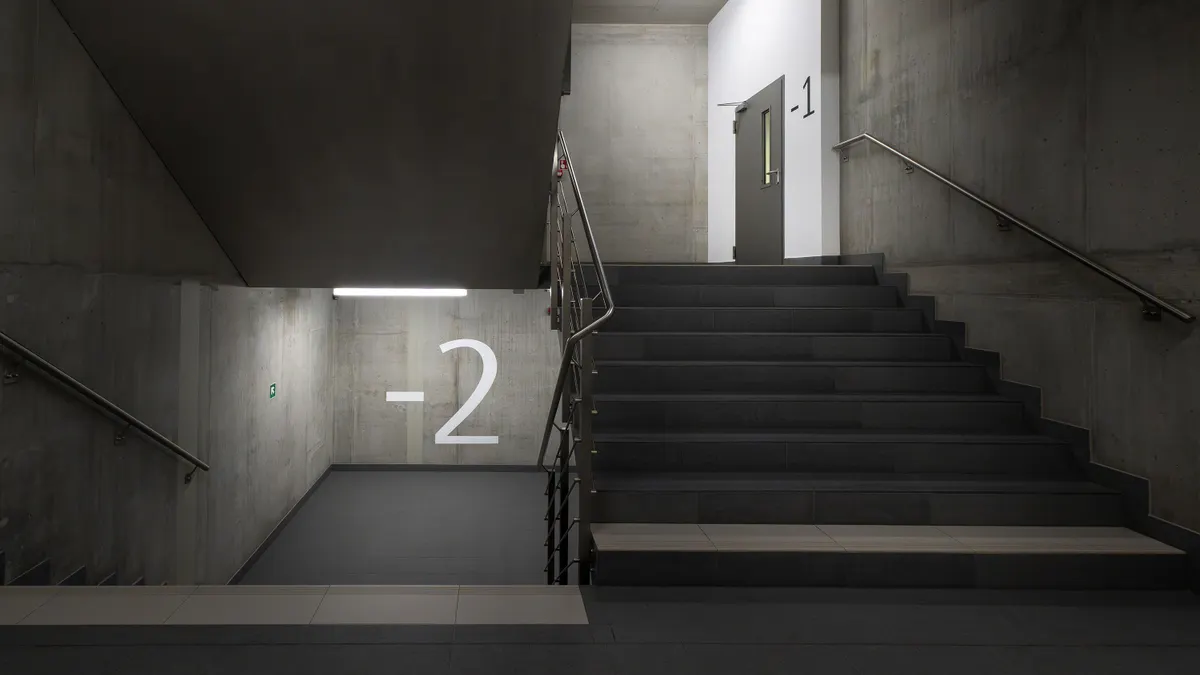
Picture this: you’re carrying laundry down the stairs while a guest follows behind, and a child is trying to step around a shoe near the bottom landing. The quickest practical way to make a basement safer is to fix the path people actually use first—stairs, landings, lights, and exits.
The truth is, most basement injuries come from ordinary walking, not dramatic accidents. A handrail, a bright area light, and a clear floor do more than decorative upgrades ever will. For basic stair safety, the CDC and CPSC both emphasize keeping walking surfaces clear and visible. CDC | CPSC
- Inspect the stairs for loose treads, cracked nosings, wobbly railings, and slick carpet edges. Tighten what moves and replace anything that flexes under foot.
- Install or repair a handrail on any stair run that needs one, with a grip you can hold in one hand all the way down.
- Add an area light at the top and bottom of the stairs so the first and last steps are obvious, even when the main room light is off.
- Clear the staircase and landing of shoes, toys, baskets, pet bowls, and cords. Leave at least one full step-width open.
- Test the stair path at night with the lights you normally use. If a step disappears in shadow, add another fixture or a plug-in lamp with a secure cord path, and if the layout is uncertain, consult a qualified electrician.
A common mistake is treating the basement like storage first and living space second, though a professional can help if the room is being used differently from how it was designed. That costs you visibility and balance. Put storage in labeled bins or on shelving, not on the floor or the stair edge. The National Safety Council notes that falls remain a leading home hazard, which is why floor clearance matters. (Source: National Safety Council)
For the handrail, think simple and sturdy, not pretty. A solid rail on the wall side of the stairs gives kids and older guests something to grab before they need it. On stairs with no wall, a post-mounted rail is better than nothing. If you are unsure about rail height or attachment, consult a qualified contractor or building professional.
If a staircase feels steep, narrow, or badly framed, stop trying to solve it with paint and tape. That is a carpenter problem, not a decorating problem.
How do I childproof a basement?
You childproof a basement by removing climbable, pinch-prone, and breakable items from kid height, then locking the rest behind a gate, latch, or cabinet. A basement that looks harmless to an adult can turn into a ladder course in minutes. For a safer layout, tie this step to the same route you already cleared on the stairs.
Picture this: a toddler spots a chair, drags it under a shelf, and reaches a box that was never meant to be touched. A good childproofing pass closes off those easy wins without turning the room into a maze.
- Anchor heavy furniture like bookcases, dressers, and storage cabinets to wall studs so they cannot tip if a child climbs them.
- Use a safety gate at the stair opening if children go below without constant adult contact. Pick one that mounts securely, not one that simply rests in place; if you are not sure which fit is right, consult a childproofing professional or follow the manufacturer’s install guidance.
- Move sharp, breakable, and choking-size items into locked storage above kid reach. That includes tools, glass decor, loose batteries, and small hardware.
- Cover outlets and tame cords so a child cannot pull a lamp, phone charger, or fan down by the wire.
- Set a floor zone for play and keep it free of cords, folding chairs, exercise gear, and anything with wheels.
Here’s the catch: baby-proofing gadgets are only useful when they match the room. A cheap latch on a cabinet packed with heavy tools will fail faster than a child’s curiosity. Use hardware rated for the weight and the way the door swings. Consumer Product Safety Commission guidance supports choosing hardware that is correctly installed for the item being secured. CPSC
A second mistake is assuming a finished basement is automatically safer because it looks like a family room. Finished walls can hide sharp corners, exposed hardware, and low vents. Kneel down and scan the room at child eye level. That view catches hazards adult eyes miss.
If the basement has a workshop corner, separate it from the play area with a locked door or a firm barrier. Guests may not see the difference right away, but a child will.
Improve lighting so guests can see every step
You improve basement lighting by removing dark corners and lighting the route from stair to seating, not just the center of the room. A basement with one bright bulb and three shadows is still hard to move through, so the lighting should follow the walking path.
Picture this: a guest comes downstairs carrying a drink, pauses at the landing, and tries to guess where the next step ends. Good lighting makes the room feel flatter, calmer, and less slippery, even when the floor itself hasn’t changed.
- Replace weak bulbs with brighter, room-filling bulbs that match the fixture size and heat limits.
- Add an area light near seating, play space, and the stair bottom so faces and floor edges are visible.
- Use motion lighting in storage corners, utility spaces, and near the stair landing if people enter those spots with full hands.
- Reduce glare by aiming lights away from eye level and shiny floors.
- Keep switches obvious at the top and bottom of the stairs so no one has to walk blind to find the light.
The best part is that good lighting helps in three ways at once: people spot obstacles, kids feel less anxious, and older guests judge steps more accurately. That matters in a basement where the ceiling is low and the walls can swallow light. The U.S. Department of Energy notes that lighting placement and efficiency both affect how well spaces are used. DOE
A lighting fix can still fail if cords cross the floor. Route cords along the wall, use cord clips, and avoid loose extension cords in walking paths. If a lamp sits where a knee can catch it, move it. If the setup is complex, consult an electrician before adding outlets or new fixtures.
For stairs, the most useful light is the one that turns on before the first step. A dim room with a bright stair edge is better than a bright room with a hidden stair edge.
What should I do about basement windows and window wells?
You should make basement windows and window wells visible, covered correctly, and easy to inspect, because they can become fall points or trapped spaces. A window that looks harmless from inside can be a problem if the outside pit is open or full of debris.
Picture this: a child sees a low window as a place to lean, and a guest backing up in a crowded room doesn’t notice the window well behind them. The fix is part visibility, part barrier, and part routine check, and if the setup is unusual, consult a qualified contractor before changing it.
- Check window wells for standing water, leaves, toys, and loose covers. Clear debris so water can drain and no one steps into a hidden mess.
- Use a secure cover over any well that sits near foot traffic or play space. The cover should stay in place under normal use and still allow needed access; if you are not sure it is the right type, consult a professional and follow local code.
- Keep furniture away from low windows so no one can climb onto a couch, then onto a sill.
- Add bright trim or nearby light around the window area if the wall blends into the floor in dim light.
- Store tools and ladders elsewhere so a child cannot use them to reach the window.
A mistake here is treating the cover as decoration. A flimsy piece that shifts under weight can create a worse hazard than no cover at all. If the cover is cracked, loose, or hard to see, replace it.
Do not stack boxes under basement windows. That turns a harmless wall into a climb zone and blocks the light you need for safe movement. If you need storage there, use low bins that stay below the sill line.
If a window opens for ventilation, keep the opening hardware in good shape so it moves smoothly and does not snag fingers. Sharp hardware around a low window is easy to overlook.
For more on the broader checklist, the basement safety, code, and maintenance hub can help you sort the room into fix-now and fix-later tasks.
Set up alarms and simple emergency habits
You set up alarms and emergency habits by making sure the basement can warn people fast and give them a clear way out. A basement that is safe for daily use still needs a backup plan for smoke, heat, and a blocked stairway, especially if people sleep there.
Picture this: someone is sleeping on a couch downstairs, a pot burns upstairs, and the only warning is a sound muffled by walls and doors. That is why a basement needs working smoke alarms and carbon monoxide alarms where people can hear them.
- Install smoke alarms where they can be heard from the basement sleeping or sitting area, following the manufacturer’s placement guidance.
- Install carbon monoxide alarms near basement living space if fuel-burning equipment, an attached garage, or other CO sources are part of the home setup.
- Test the alarms monthly and replace batteries or the whole unit as the manufacturer directs.
- Keep the stair exit clear so people can move out quickly if the alarm sounds.
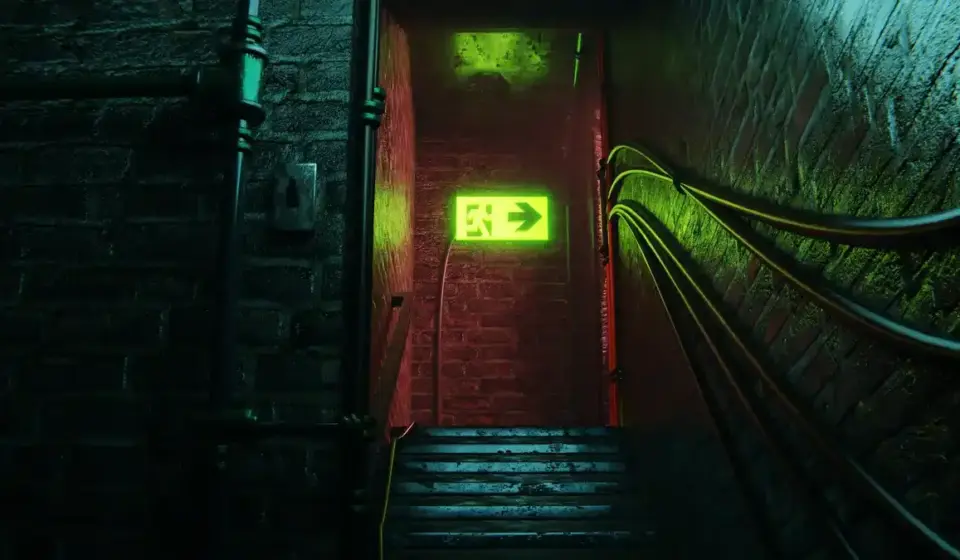
- Post an emergency path near the stair landing so guests know which way to go without guessing.
The truth is, alarms are useless when no one can hear them or get out. Do a quick sound check with doors shut and music on at a normal level. If the alarm fades in the background, add another unit or adjust placement. FEMA advises keeping alarms audible and maintaining a clear escape path. FEMA
A second mistake is putting confidence in a basement that has only one way out and a cluttered stair. That is a bottleneck. Keep that path open every day, not just when company comes over.
If you have fuel-burning appliances or an attached garage, treat carbon monoxide as part of the basement safety setup, not an optional add-on. A CO alarm belongs on the same priority list as the smoke alarm.
What basement safety hazards do people miss most?
People miss the small hazards that cause the big problems: loose rugs, exposed cords, poor stair contrast, hidden window wells, and storage that crowds the exit. These are ordinary items with outsized risk, and they often show up after the room is already in use.
Picture this: a guest is walking carefully, but a curled rug edge catches a shoe, the cord beside the couch pulls taut, and the stair landing is darker than the room behind it. None of those hazards looks serious on its own.
- Remove or secure loose rugs with non-slip backing or tape made for floors.
- Bundle cords and keep them tight to walls, not stretched across open floor.
- Paint or mark stair edges if the tread and riser blend together in low light.
- Keep the floor dry near entry points, utility sinks, and door gaps so shoes don’t skid.
- Check the room weekly for new hazards after laundry day, storage drops, or kids’ playtime.
On the flip side, some people overcorrect and clutter the basement with too many baby gates, bins, and warning signs. That creates its own trip risk. Safety should make movement simpler, not turn the room into an obstacle course.
A useful habit is the two-minute walk-through before guests arrive. Start at the top of the stairs and look for the three things people trip on first: cords, edges, and dark spots. If you fix those, the room gets safer fast.
For the sharpest, most practical next step, focus on stairs and lighting before anything decorative. The room can wait on paint. The floor cannot wait on safety.
Key Takeaways
- Fix the route people use most: stairs, landings, and the path to the exit.
- Add or repair a handrail before you buy decorative upgrades.
- Keep cords, toys, and storage bins out of walking space.
- Make window wells, low windows, and furniture arrangements harder to climb or fall into.
- Use smoke alarms and carbon monoxide alarms as part of the basement setup, not as extras.
What safety items should a basement have?
A basement should have a handrail, bright area light, smoke alarms, carbon monoxide alarms where relevant, and a clear stair path. It should also have secure storage for sharp tools and breakable items. If children or older guests use the space often, add a safety gate and non-slip control on rugs.
How do I childproof a basement?
Childproof a basement by anchoring furniture, locking up hazards, covering outlets, securing cords, and keeping the stair area clear. Use a gate at the stair opening if children can reach the basement. Then crouch to child height and look for anything that can be climbed, pulled, or swallowed.
What are the biggest basement safety hazards?
The biggest basement safety hazards are stairs, poor lighting, trip hazards, unsecured windows or window wells, and blocked exits. Loose rugs and cords rank high too, because they catch feet before people notice them. A basement becomes much safer when those five areas are handled first.
Drafted with AI; not yet reviewed by a person.